
Software development projects are complex, to say the least. They require meticulous planning, precise execution, and effective communication. Amidst the intricacies and nuances of coding, testing, and deployment, there’s a pivotal figure who orchestrates the entire process – the Project Manager (PM). In this article, we visit the role of a project manager and the value they bring to software development projects; exploring their duties, significance, and the benefits of having a project manager for your development projects.
Summary
Project managers act as the linchpin of software projects, translating stakeholder vision into delivered products by planning scope, managing resources and budgets, mitigating risks, and ensuring quality and communication. This article maps PM responsibilities across the full lifecycle—from initiation and planning through execution, monitoring/control, and closure—covering requirements, scheduling, change management, and documentation. It underscores the benefits of skilled PMs, including alignment, transparency, on-time/on-budget delivery, reduced risk, and higher client satisfaction. Ultimately, PMs are portrayed as indispensable to consistently delivering successful software solutions. Speak to one of our experts today.
What Is the Role of a Project Manager in Software Development?
Project managers serve as the linchpin of software development projects, ensuring that the visions outlined by clients and stakeholders materialize into tangible products. Their multifaceted role involves a myriad of responsibilities, ranging from planning and scope definition to (stakeholder) communication and quality assurance.
What does a Project Manager in Software Development do?
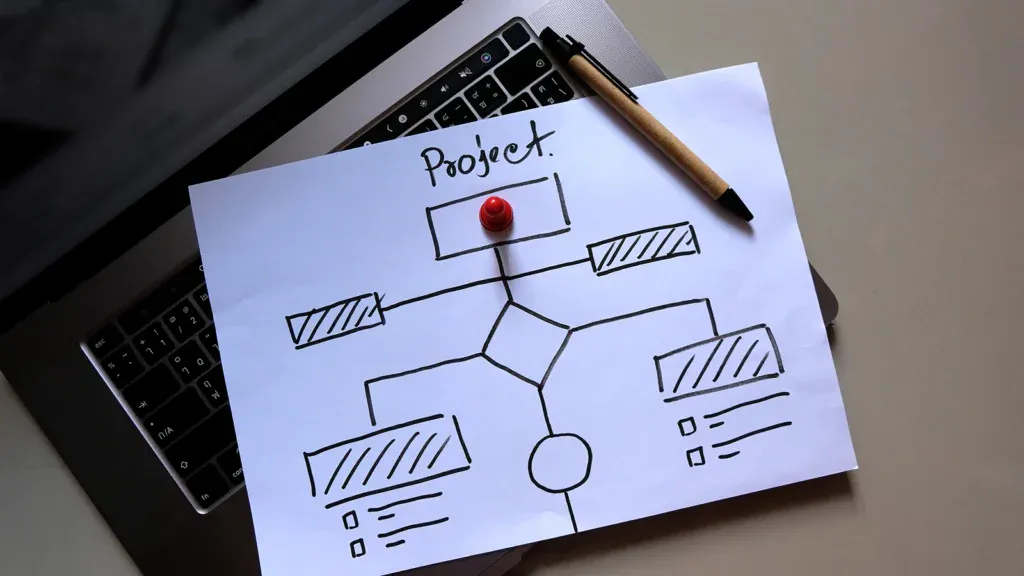
Project managers are responsible for defining a project’s scope, objectives, and timelines, often done in collaboration with stakeholders and clients. PMs coordinate resources, including personnel, budget, and tools, ensuring efficiency throughout the project and during project execution.
Additionally, project managers oversee the project’s progress; identifying and mitigating risks, resolving conflicts, and adjusting plans when needed – keeping the project on track. They also play the role of liaison, facilitating communication and collaboration between different teams and stakeholders, ensuring cohesiveness of the project goals and objectives. Ultimately, a PM’s goal, and job, is to successfully deliver a software product that meets quality standards, the client’s requirements and budget, and is delivered on time.
Project management responsibilities and definitions:
- Client Satisfaction: Actively engaging with clients, project managers gather feedback and provide post-project support to ensure client satisfaction throughout the project lifecycle.
- Continuous Improvement: Staying abreast of industry best practices and emerging technologies, project managers consistently enhance project management practices to elevate efficiency and effectiveness.
The PM’s responsibilities across the project lifecycle
1. Initiation
- Understanding client needs: The PM works closely with stakeholders to define the project’s scope, objectives, and success criteria, digging into the specific problems the software aims to solve. Planning and scope definition can’t happen without this understanding.
- Feasibility analysis: The PM assesses technical feasibility, budget constraints, and potential risks. This early analysis is the start of risk management for the life of the project.
- Project charter: With the client’s needs, risks, and budget understood, the PM assembles a team and drafts a project charter outlining scope, timeline, resources, and key stakeholders.
2. Planning
- Requirement gathering: The PM leads detailed discussions with the client to elicit and document every functional and non-functional requirement.
- Work breakdown structure (WBS): Combining the requirements with what was learned during initiation, the PM breaks the project into smaller, manageable tasks in a hierarchical structure.
- Resource planning: The PM identifies the team members (developers, designers, testers), technology stack, and other resources the project needs.
- Risk assessment: Building on the initiation work, the PM identifies potential risks and creates mitigation plans.
- Detailed project schedule: The PM develops a comprehensive timeline with milestones and dependencies, which is only possible once initiation and the rest of planning are complete.
3. Execution
- Task assignment: The PM delegates tasks to the right team members based on their skills.
- Collaboration: The PM sets up effective communication channels between the development team and stakeholders. Communication is key to a successful project.
- Progress tracking: The PM monitors progress against the plan, identifies delays, and takes corrective action, keeping the team informed and the timeline and budget in view.
- Change management: The PM manages changes to scope, evaluates their impact, and communicates adjustments to stakeholders.
- Quality control: The PM upholds the quality standards set at the start of the project, overseeing code quality, testing, and adherence to development standards.
4. Monitoring and controlling
- Regular reporting: The PM provides regular status updates highlighting accomplishments, challenges, and upcoming milestones.
- Issue resolution: The PM addresses roadblocks and escalates critical issues to stakeholders when needed.
- Budget management: The PM tracks project expenses and keeps them aligned with the budget.
5. Closing
- Final deliverables: The PM ensures every project deliverable is complete and meets requirements.
- User acceptance testing (UAT): The PM coordinates UAT with the client and obtains sign-off. Because the PM has gathered feedback throughout the project, UAT should go smoothly with few, if any, adjustments.
- Deployment: The PM manages a smooth deployment into the production environment.
- Retrospective: The PM runs a post-project review to capture lessons learned and areas to improve on future projects.
Benefits of having a skilled project manager
A skilled project manager is the central point of communication, keeping every party on the same page, the project on track, and client expectations met. PMs identify risks early and put strategies in place to mitigate them, reducing the chance of delays and cost overruns. They also maintain the project’s documentation and track its progress. Overall, a project manager’s expertise is essential to delivering a successful software project.
Conclusion
Project managers are the backbone of software development projects, guiding them from inception to completion. Their skill set, spanning planning, communication, risk management, and quality assurance, makes them indispensable. By fostering collaboration, mitigating risks, and driving continuous improvement, project managers play a pivotal role in delivering software that moves organizations forward.
Frequently asked questions
A project manager serves as the linchpin of a software project, turning the vision of clients and stakeholders into a delivered product. The role spans planning and scope definition, resource and budget management, risk mitigation, stakeholder communication, and quality assurance. The ultimate goal is a product that meets quality standards and client requirements, on time and on budget.
Project managers define a project’s scope, objectives, and timelines with stakeholders and clients, and coordinate personnel, budget, and tools. They track progress, identify and mitigate risks, resolve conflicts, and adjust plans to keep the project on track. They also act as a liaison, keeping communication flowing between teams and stakeholders so everyone stays aligned on goals.
A skilled project manager brings alignment and transparency across teams and stakeholders. They help projects deliver on time and on budget while reducing risk. The result is typically higher client satisfaction and more consistent delivery of successful software.
Project managers are involved across the full lifecycle, from initiation and planning through execution, monitoring and control, and closure. Along the way they handle requirements, scheduling, change management, and documentation. Their involvement continues after launch through client feedback and post-project support.
Get Started
What are you trying to solve?
Let’s figure it out together.
