Here are Key Indicators of Winning Designs! Could Your Digital Product Be a Success?
March 28, 2024

The success of a product is often determined by its design. A well-designed product can attract and retain customers, while a poorly designed product can create a bad first impression, lead to repelling, and even losing customers. But what makes a design successful? Is sticking to design fundamentals enough? Let’s dive into the key indicators of winning designs and how you can apply them to your digital products.
Summary
Winning digital products center on user needs and deliver intuitive, accessible, visually consistent, and high-performing experiences. Core indicators include user-centered research and testing, clear navigation and content, strong brand alignment, mobile responsiveness, and thoughtful error prevention and handling. Applying these principles boosts engagement, loyalty, differentiation, and revenue while avoiding pitfalls like poor reviews and high bounce rates. Use these strategies to make strong first impressions and sustain long-term product success.
The Importance of Winning Designs in Digital Products
Design is more than just aesthetics, it encompasses the entire user experience. From the visual appeal to the functionality of a product – design is at the forefront. Competition is fierce and users have high expectations, so it’s essential to leave a great first impression with your design.
A well-designed digital product can:
- Attract and retain customers
- Increase user engagement and satisfaction
- Differentiate a product from its competitors
- Improve brand perception and loyalty
- Increase sales and revenue
On the other hand, a poorly designed product can lead to:
- Negative user experiences and reviews
- High bounce rates and low conversion rates
- Loss of customers to competitors
- Damage to brand reputation and trust
- Loss of revenue and potential business opportunities
These pros and cons clearly show that great design plays a tremendously vital role in the success of a digital product. So, what are the key indicators of a winning design?
Winning Strategies for Design Success
User-Centered Design
The first and most important indicator of a winning design is a user-centered approach. This means designing with the end-user in mind and considering their needs, preferences, and behaviors throughout the design process.
User-centered design involves user research, creating user personas, and testing prototypes with real users to gather feedback and make improvements. By involving users in the design process, you can make sure your product meets their needs and expectations, leading to a more successful design.
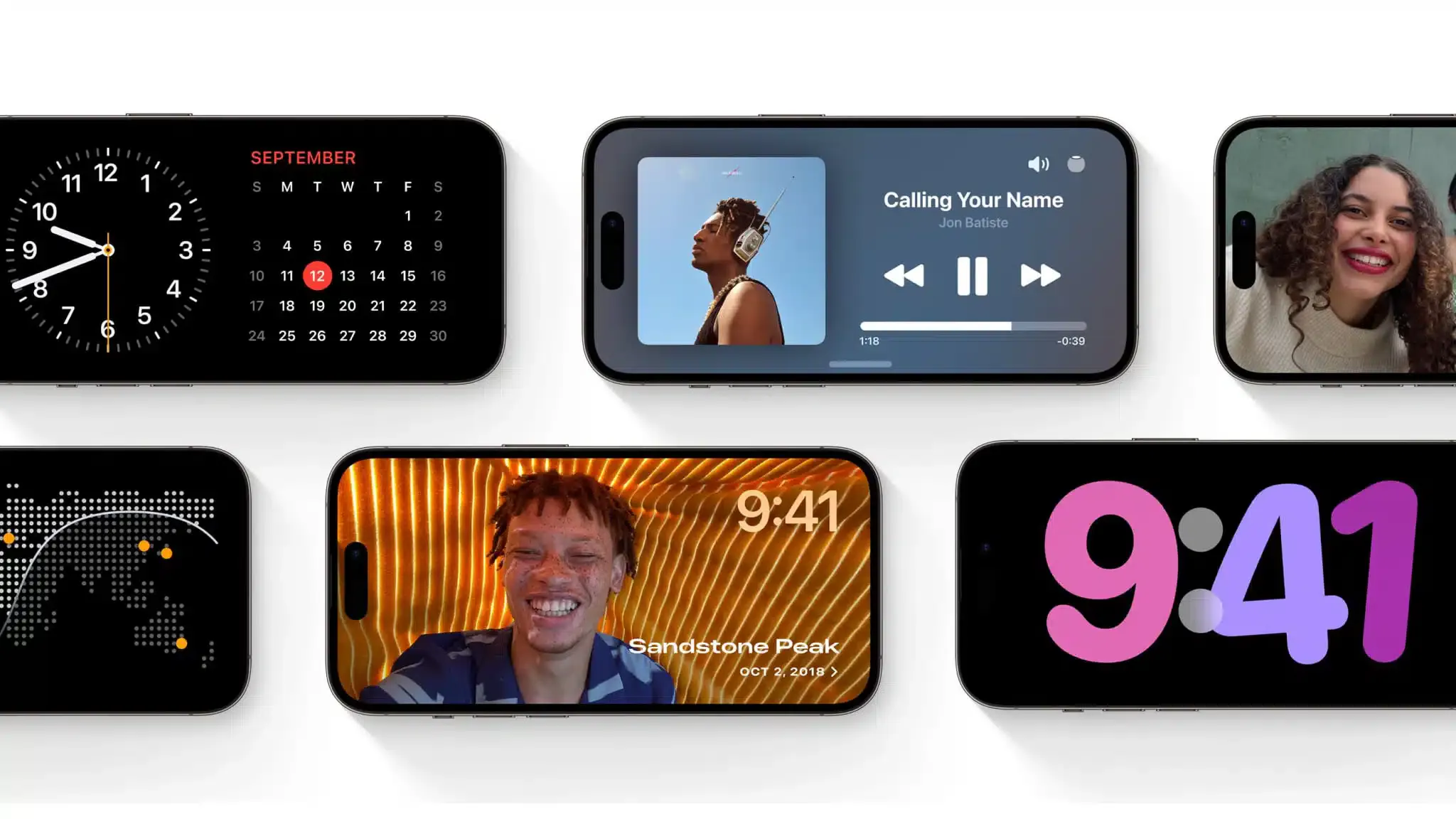
For reference, Apple’s latest iOS feature transforms your phone into a smart display, presenting time, weather, and other crucial information customizable by the user. This innovation exemplifies the expansion and enrichment of functionality based on common product use cases, such as charging an iPhone during bedtime.
Intuitive and User-Friendly Interface
An effective design should be intuitive and user-friendly, meaning that users can easily navigate and use the product without confusion or frustration. This is achieved through a combination of clear and simple design elements, such as:
- Consistent and familiar design patterns
- Clear and concise labeling and instructions
- Intuitive navigation and organization of content
- Easy-to-use features and functions
- Responsive design for different devices and screen sizes
By prioritizing usability and simplicity in your design, you can create a positive user experience and increase the chances of success for your product.
Visual Appeal and Brand Consistency
The visual appeal of a product is often the first thing that catches a user’s attention. A successful design should be visually appealing and consistent with the brand’s image and values.
This includes using a consistent color scheme, typography, and imagery throughout the product, as well as incorporating the brand’s logo and other visual elements. By maintaining brand consistency, you can strengthen brand recognition and loyalty, which can lead to a prosperous design.
Accessibility and Inclusivity
A successful design should also be accessible and inclusive for all users, regardless of their abilities or disabilities. This means designing with accessibility guidelines in mind, such as:
- Providing alternative text for images and videos
- Using high contrast colors for text and backgrounds
- Providing keyboard navigation options
- Ensuring compatibility with assistive technologies
By making your product accessible to all users, you can increase its reach and appeal, leading to a design that tells the user you have them in mind.

Performance and Speed
In today’s fast-paced world, users have little patience for slow and snail-paced products. A successful design should prioritize performance and speed to provide a seamless and efficient user experience.
This can be done by optimizing code and reducing page load times while using responsive design to ensure the product performs as intended on different devices and internet speeds. Prioritizing performance can increase a user’s experience and satisfaction with your product, which can turn them into life-long customers.
Design Essentials for Success
In addition to the strategies we mentioned above, some essential design elements can contribute to the success of a digital product.
Clear and Engaging Content
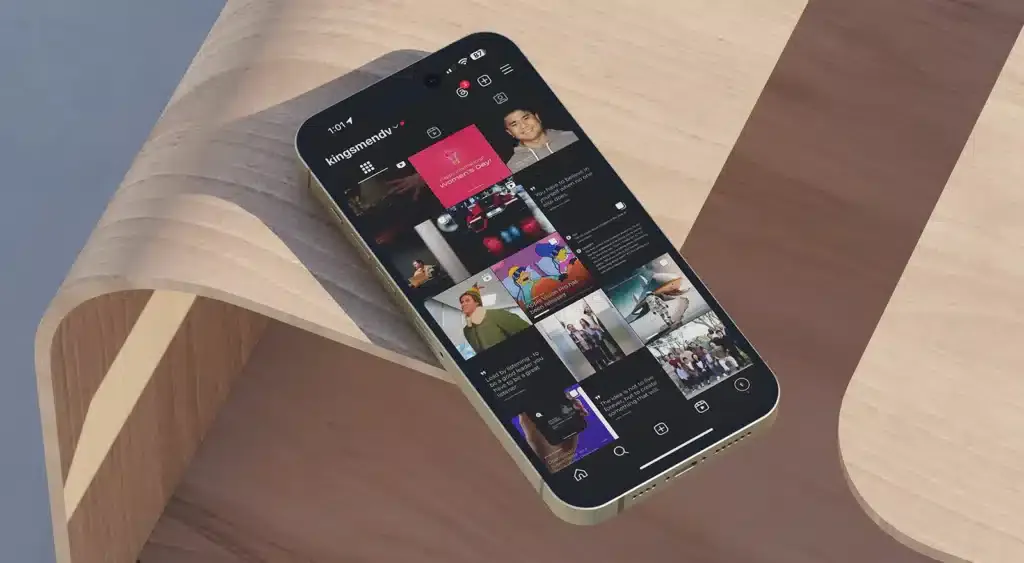
Content is a crucial part of any digital product, and a successful design should present it in a clear and engaging way. This includes using concise and easy-to-understand language, as well as incorporating visual elements such as images, videos, and infographics to break up the content and keep your user engaged.
Mobile Responsiveness
With the increasing use of mobile devices, a successful design needs to be responsive and optimized for different screen sizes. This means designing with a mobile-first approach and ensuring that the product functions well on smaller screens.
Consistent and Intuitive Navigation
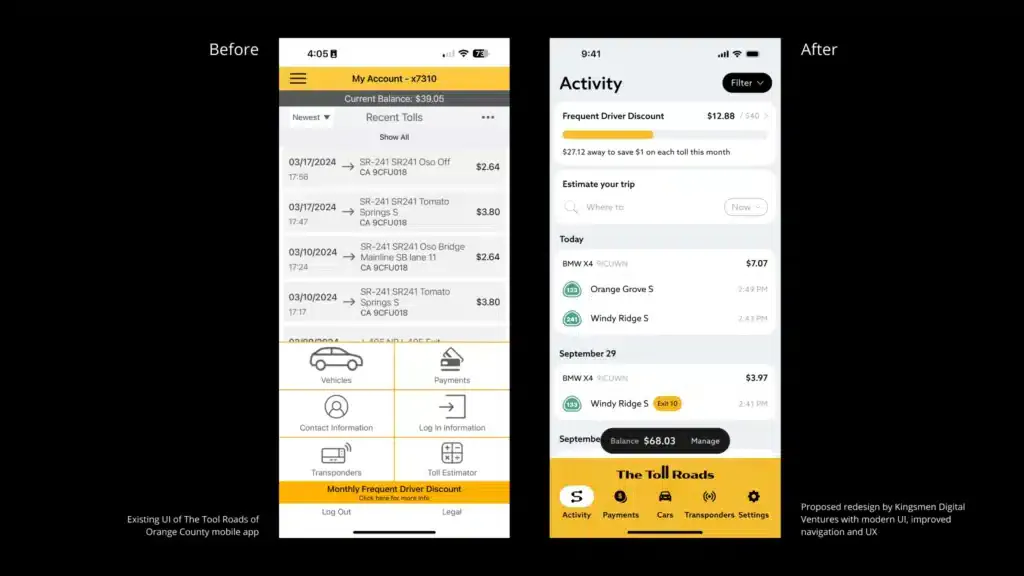
Navigation is a key element in design – it allows users to easily find what they’re looking for and move through the product. Design should have consistency and intuitive navigation, with clear labels and organization of content.
Error Prevention and Handling
A design should also consider error prevention and handling to provide a smooth user experience. This includes using clear error messages, providing solutions for users to fix errors, and preventing errors from occurring in the first place through thorough testing and quality assurance (QA).
Conclusion
Design has an immense impact on the success of your digital product. By incorporating user-centered design you increase the chances of making something truly special. Considering design essentials such as clear and engaging content, mobile responsiveness, eye-cathcing aesthetics, and consistent and intuitive navigation, you can create a winning design that attracts and retains customers, differentiates your product from competitors, and ultimately leads to success. See how else we can service your company or reach out and speak with us today!
Frequently asked questions
Design covers the entire user experience, from visual appeal to functionality, so it strongly shapes a product’s first impression. A well-designed product can attract and retain customers, increase engagement, differentiate it from competitors, strengthen brand loyalty, and grow revenue. A poorly designed one can lead to negative reviews, high bounce rates, low conversions, lost customers, and damage to brand trust.
User-centered design means designing with the end user in mind, considering their needs, preferences, and behaviors throughout the process. It involves user research, creating user personas, and testing prototypes with real users to gather feedback and make improvements. Involving users this way helps ensure the product meets their expectations.
An intuitive interface lets users navigate and use the product without confusion or frustration. It relies on consistent and familiar design patterns, clear and concise labels and instructions, logical organization of content, easy-to-use features, and responsive design for different devices. Consistent navigation with clear labels helps users find what they need quickly.
Design with accessibility guidelines in mind so the product works for users regardless of their abilities. Practical steps include providing alternative text for images and videos, using high-contrast colors for text and backgrounds, offering keyboard navigation, and ensuring compatibility with assistive technologies. Accessible design broadens a product’s reach and shows users you have them in mind.
Users have little patience for slow products, so optimizing code, reducing page load times, and using responsive design helps the product perform well across devices and internet speeds. Good error handling uses clear error messages and gives users ways to fix problems. Preventing errors in the first place through thorough testing and quality assurance keeps the experience smooth.

Get Started
What are you trying to solve?
Let’s figure it out together.
